Your Guide to Brighter, Smoother, and Healthier Skin What are Alpha-Hydroxy Acids? Alpha-Hydroxy Acids (AHAs) are a group of naturally occurring and synthetically produced acids that gently dissolve the bonds between dead skin cells, promoting fresh, smooth, brighter-looking skin. With advancements in dermatology, physical exfoliation (especially harsh scrubs) is no longer recommended — AHAs offer a safer, controlled, and …

Your Guide to Brighter, Smoother, and Healthier Skin
What are Alpha-Hydroxy Acids?
Alpha-Hydroxy Acids (AHAs) are a group of naturally occurring and synthetically produced acids that gently dissolve the bonds between dead skin cells, promoting fresh, smooth, brighter-looking skin.
With advancements in dermatology, physical exfoliation (especially harsh scrubs) is no longer recommended — AHAs offer a safer, controlled, and more effective method of exfoliation.
Types of AHAs
There are several AHAs, but the two most researched and widely used are:
1. Glycolic Acid
- Derived fromsugarcane
- Has thesmallest molecular size, allowing deeper penetration
- Excellent fortextural concerns, pigmentation, and dullness
- Also boostshydration
2. Lactic Acid
-
- Derived frommilk products
- Larger molecular size →gentler exfoliation
- Ideal fordry, dehydrated, and sensitive skin
- Helps improve skin tone and hydration
Benefits of AHAs
-
AHAs provide multiple skin benefits, including:
- Gentle exfoliation, helping remove dead skin cells
- Fading sunspots and discoloration
- Brightening overall complexion
- Boosting collagen production
- Softening fine lines and wrinkles
- Reducing breakouts by preventing clogged pores
AHAs in Skincare Products
You’ll find AHAs in:
- Cleansers
- Serums
- Toners
- Creams
- At-home and professional chemical peels
Concentrations vary:
- 2–10%→ cleansers, toners, serums (OTC)
- 20–30%→ home peels
30–70% → professional peels (dermatologist only)
How to Use AHAs
- Applyafter cleansing and before moisturiser.
- Beginners should start with5–7% AHAs, 2x/week, then slowly increase frequency as tolerated.
- Those with very dry or sensitive skin shouldpatch test.
- Best used in thePM routine due to increased sun sensitivity.
- Always useSPF in the morning after AHA application.
Compatibility With Other Actives
Safe to Combine With:
✔ Hyaluronic Acid
✔ Niacinamide
✔ Peptides
Avoid Layering With:
✘ Other acids (BHA, PHA)
✘ Vitamin C (L-ascorbic acid)
✘ Retinoids
Are AHAs Safe for Acne-Prone or Sensitive Skin?
✔ Acne-prone skin: Yes — AHAs help clear clogged pores and improve texture.
⚠️ Sensitive skin: Use cautiously. Start with low strength and discuss with your dermatologist if unsure.
Pregnancy & Breastfeeding Safety
⚠️ Use with caution.
AHAs are generally considered safe because only minimal amounts are absorbed through the skin. However:
- Stick to<10% concentrations
- Always wearsunscreen
- Avoid high-strength peels unless advised by your dermatologist
Pregnancy increases skin sensitivity, so proceed gently.
Dr. Suruchi-Recommended AHA Serums
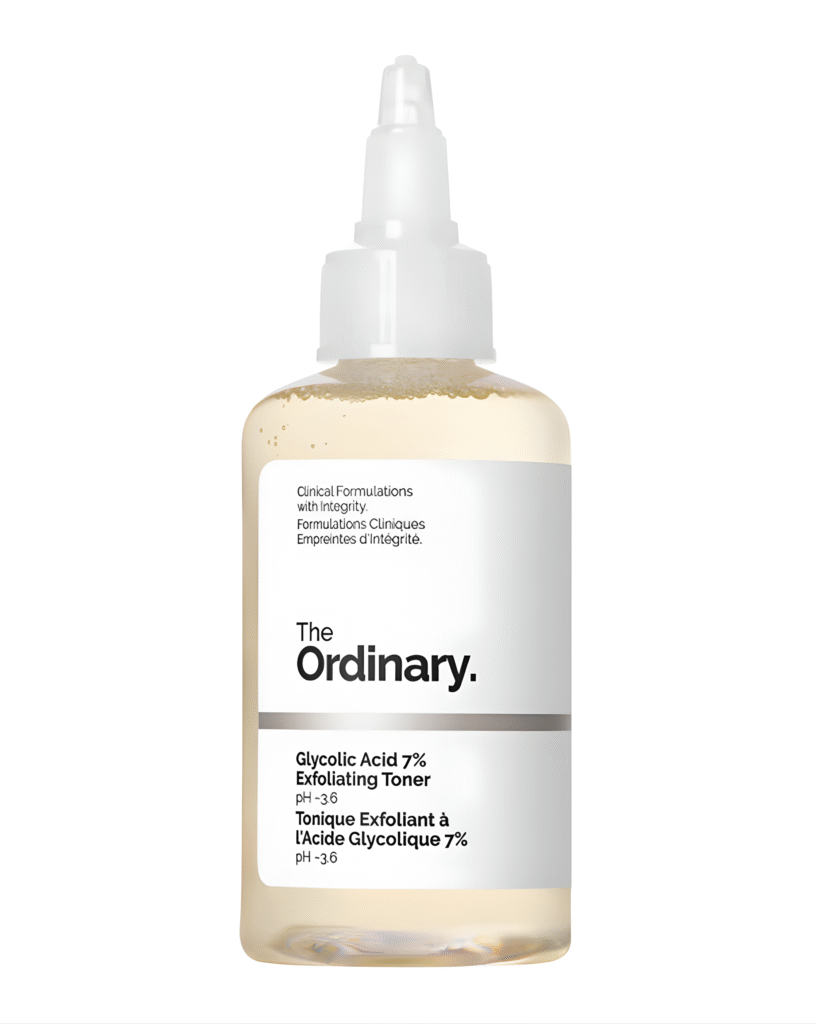
1. The Ordinary Glycolic Acid 7% Exfoliating Toner
Key Ingredients:
Glycolic Acid, Aloe Barbadensis Leaf Water, Panax Ginseng Root Extract, Tasmannia Lanceolata Fruit/Leaf Extract
Why it’s recommended:
A budget-friendly glycolic acid exfoliant that brightens skin, improves texture, and boosts radiance. Best for normal, combination or oily skin.
Full Ingredients:
Aqua (Water), Glycolic Acid, Rosa Damascena Flower Water, Centaurea Cyanus Flower Water, Aloe Barbadensis Leaf Water, Propanediol, Glycerin, Triethanolamine, Aminomethyl Propanol, Panax Ginseng Root Extract, Tasmannia Lanceolata Fruit/Leaf Extract, Aspartic Acid, Alanine, Glycine, Serine, Valine, Isoleucine, Proline, Threonine, Histidine, Phenylalanine, Glutamic Acid, Arginine, Pca, Sodium Pca, Sodium Lactate, Fructose, Glucose, Sucrose, Urea, Hexyl Nicotinate, Dextrin, Citric Acid, Polysorbate 20, Gellan Gum, Trisodium Ethylenediamine Disuccinate, Sodium Chloride, Hexylene Glycol, Potassium Sorbate, Sodium Benzoate, 1,2-Hexanediol, Caprylyl Glycol.
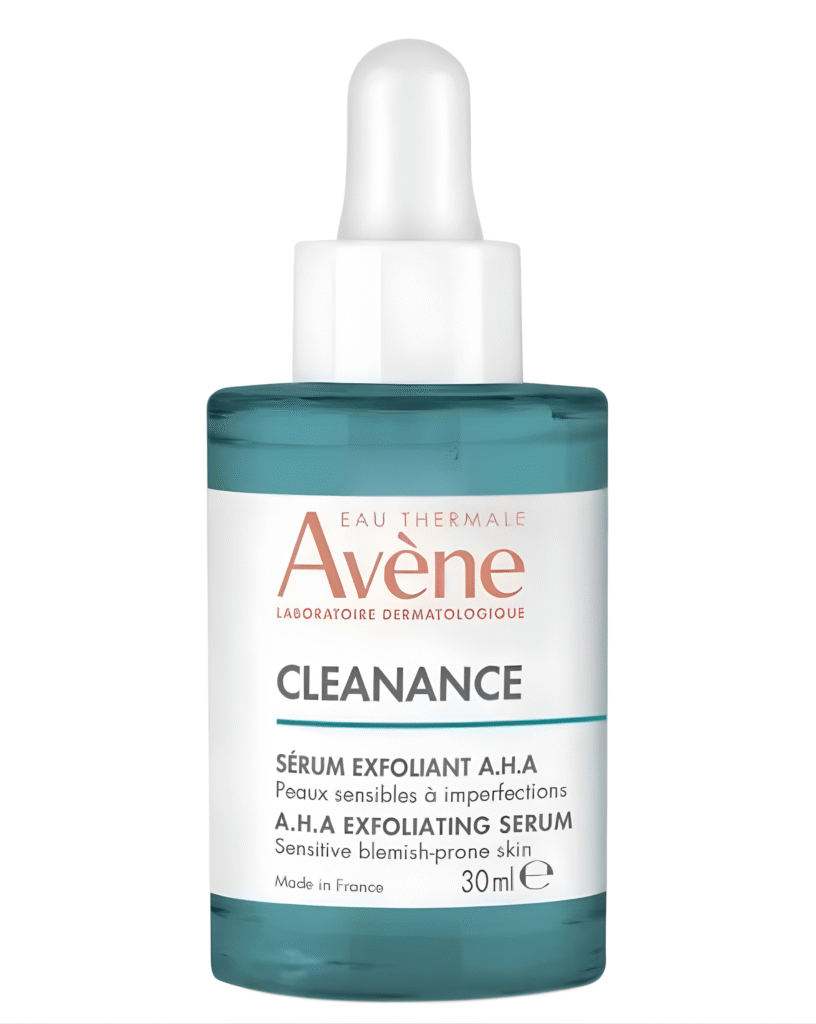
2. Avene Cleanance A.H.A. Exfoliating Serum
Key Actives:
2.43% Lactic Acid (AHA) + 3% Succinic Acid
Best For:
Dry, sensitive, redness-prone skin needing gentle exfoliation.
Free from:
Fragrance, Alcohol
Ingredients:
Avene Thermal Spring Water (Avene Aqua), Glycerin, Pentylene Glycol, Succinic Acid, Lactic Acid, Sodium Hydroxide, Glutamic Acid, Sodium Benzoate, Water (Aqua), Xanthan Gum.
Final Takeaway
AHAs are one of the most effective ways to achieve smooth, glowing, and even-toned skin. When used correctly, they can transform dull or textured skin and reduce acne, spots, and early signs of aging.
⚠️ Disclaimer:
For the latest information, it is recommended to review the ingredient list printed on the packaging of the product prior to usage or consumption.
Book an Appointment
It’s easy and free!

Dr. Suruchi Vohra
Hi! I’m Dr. Suruchi Vohra, an MD Dermatologist with around 12 years of experience in Singapore and the United Arab Emirates (U.A.E.) treating skin, hair and nail conditions across all age groups and various skin tones.